The Current State of Global Supply Chains
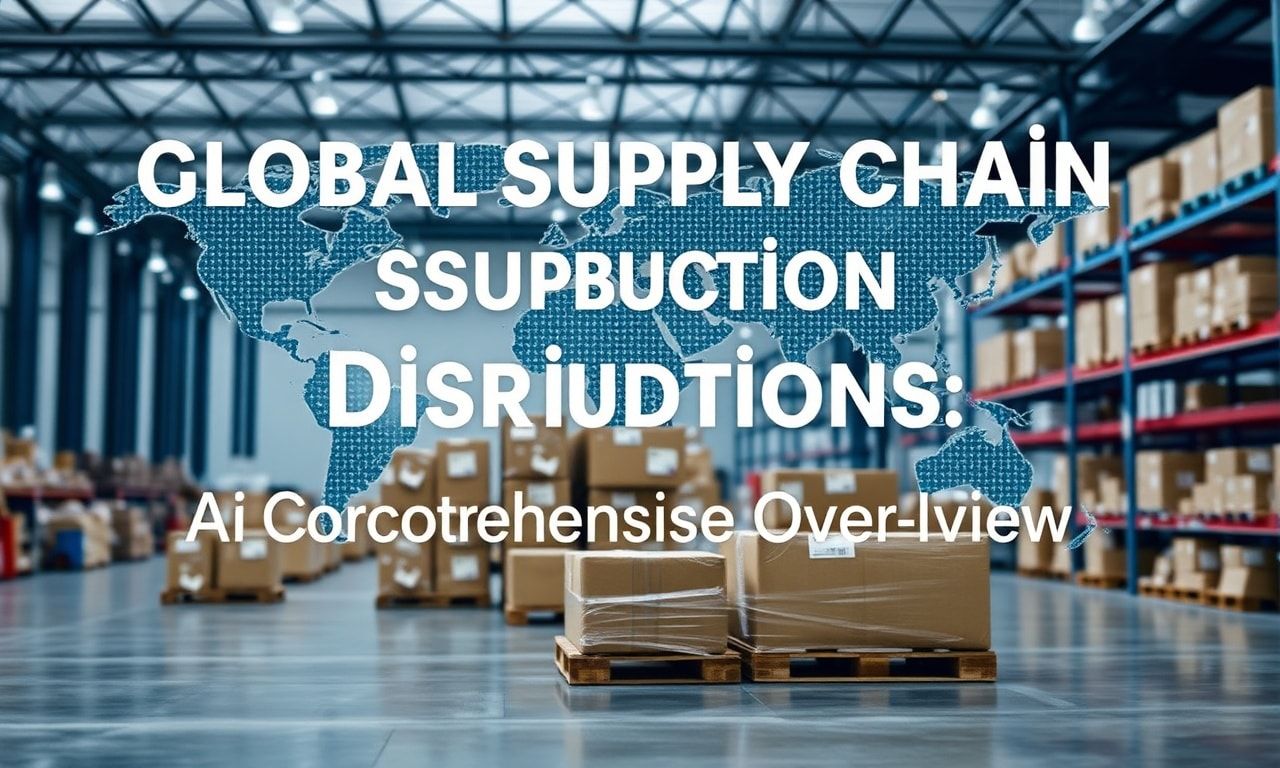
The global supply chain has been under immense pressure in recent years, with disruptions caused by various factors including the COVID-19 pandemic, geopolitical tensions, and natural disasters. These disruptions have led to significant delays, increased costs, and shortages of essential goods. The situation has highlighted the fragility of global supply chains and the need for more resilient and flexible systems.
The Impact of the COVID-19 Pandemic
The COVID-19 pandemic has been one of the most significant disruptors of global supply chains. The sudden surge in demand for certain products, such as personal protective equipment (PPE) and medical supplies, coupled with the closure of factories and ports, created a perfect storm of supply chain challenges. The pandemic also led to a shift in consumer behavior, with a significant increase in e-commerce, putting additional strain on logistics and delivery services.
Labor Shortages and Port Congestions
One of the most visible impacts of the pandemic has been the labor shortages and port congestions. With many workers falling ill or being quarantined, there was a significant reduction in the workforce available to keep supply chains running. This was exacerbated by the closure of borders and travel restrictions, which made it difficult to move goods and people across countries. Port congestions became a common sight, with ships waiting for weeks to unload their cargo, leading to delays and increased costs.
The Role of Geopolitical Tensions
Geopolitical tensions have also played a significant role in disrupting global supply chains. Trade wars, sanctions, and political instability have made it difficult for businesses to operate smoothly. For instance, the trade war between the United States and China has led to tariffs and restrictions on certain goods, affecting the flow of goods and increasing costs. Similarly, the ongoing conflict in Ukraine has disrupted the supply of essential commodities like wheat and gas, leading to shortages and price hikes.
The Search for Alternative Suppliers
In response to these disruptions, many businesses are now looking for alternative suppliers and diversifying their supply chains. This shift is aimed at reducing dependency on any single region or country and increasing resilience. For example, many companies are now looking to source goods from multiple countries, including those in Southeast Asia and Africa, to mitigate the risks associated with geopolitical tensions and natural disasters.
The Importance of Digital Transformation
Digital transformation is another key trend in the global supply chain. With the increasing complexity and volatility of supply chains, businesses are turning to digital technologies to improve visibility, efficiency, and resilience. Technologies such as artificial intelligence (AI), the Internet of Things (IoT), and blockchain are being used to track goods, predict demand, and automate processes. These technologies can help businesses to respond more quickly to disruptions and make more informed decisions.
Case Study: The Use of AI in Supply Chain Management
AI is being used in various ways to improve supply chain management. For instance, AI-powered predictive analytics can help businesses to forecast demand more accurately, reducing the risk of shortages or excess inventory. AI can also be used to optimize routes and schedules, reducing transportation costs and improving delivery times. Additionally, AI can be used to monitor the condition of goods in transit, ensuring that they arrive in good condition.
The Future of Global Supply Chains
The future of global supply chains is likely to be shaped by a combination of factors, including the ongoing recovery from the COVID-19 pandemic, the increasing use of digital technologies, and the need for more sustainable and resilient systems. Businesses will need to adapt to these changes and invest in the right technologies and strategies to remain competitive. One of the key strategies will be to build more flexible and resilient supply chains that can withstand disruptions and adapt to changing conditions.
For businesses looking to navigate these challenges, resources like the nakliyat firmaları listesi Türkiye can be invaluable. These directories provide a comprehensive list of logistics companies in Turkey, helping businesses to find reliable partners for their supply chain needs. By leveraging such resources and investing in digital transformation, businesses can build more resilient and efficient supply chains that can withstand future disruptions.
Conclusion
In conclusion, the global supply chain is facing significant challenges, but there are also opportunities for businesses to adapt and thrive. By investing in digital technologies, diversifying their supply chains, and building more resilient systems, businesses can navigate the current disruptions and prepare for the future. The key will be to remain agile and adaptable, ready to respond to whatever challenges and opportunities arise.