Introduction to Global Weather Patterns
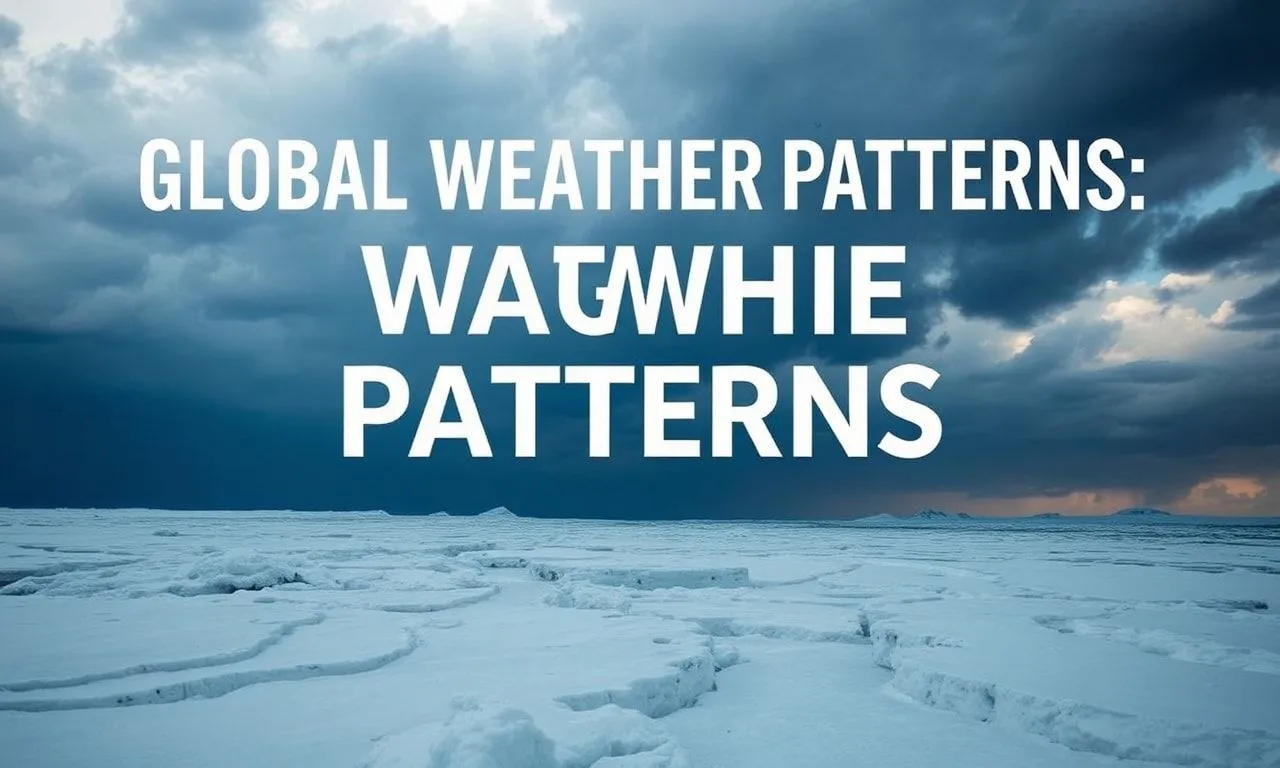
The world’s climate is a complex system influenced by a myriad of factors, from ocean currents to atmospheric conditions. Understanding global weather patterns is crucial for predicting natural disasters, planning agricultural activities, and mitigating the impacts of climate change. In recent years, the study of weather patterns has gained significant attention due to the increasing frequency of extreme weather events.
Weather patterns are influenced by both natural and anthropogenic factors. Natural factors include volcanic eruptions, solar radiation, and ocean currents, while anthropogenic factors primarily involve greenhouse gas emissions and deforestation. The interplay of these factors results in the diverse weather conditions experienced across the globe.
The Role of Climate Change in Altered Weather Patterns
Climate change has emerged as a critical factor in altering global weather patterns. The increase in global temperatures, primarily due to the emission of greenhouse gases, has led to more intense and frequent extreme weather events. These events include hurricanes, heatwaves, droughts, and heavy rainfall, which have devastating impacts on communities and ecosystems.
According to the Intergovernmental Panel on Climate Change (IPCC), the global average temperature has risen by approximately 1°C since pre-industrial times. This increase may seem small, but it has profound effects on weather patterns. For instance, warmer temperatures lead to more evaporation, which in turn increases the likelihood of heavy rainfall and flooding. Similarly, higher ocean temperatures fuel more intense hurricanes and typhoons.
Extreme Weather Events and Their Impacts
Extreme weather events have become more common and intense due to climate change. Hurricanes, for example, have shown an increase in both frequency and intensity. The 2020 Atlantic hurricane season was particularly active, with a record 30 named storms, including 13 hurricanes. These storms caused significant damage and loss of life, highlighting the need for better preparedness and mitigation strategies.
Heatwaves are another extreme weather event that has become more frequent and severe. The 2021 Pacific Northwest heatwave, for instance, saw temperatures soar to record highs, causing widespread power outages, infrastructure damage, and hundreds of deaths. Such events underscore the urgent need for climate action to reduce the risks associated with extreme weather.
Understanding Weather Forecasting and Prediction
Weather forecasting and prediction are essential tools for mitigating the impacts of extreme weather events. Advanced technologies, such as satellite imagery, weather balloons, and computer models, enable meteorologists to predict weather patterns with increasing accuracy. These tools are crucial for issuing timely warnings and preparing communities for impending weather events.
For those interested in staying informed about weather conditions, resources like hava durumu dünya provide up-to-date information on global weather patterns. These platforms offer detailed forecasts, weather maps, and alerts, helping individuals and communities stay safe and prepared.
The Importance of International Cooperation in Weather Monitoring
Weather patterns do not respect national borders, making international cooperation essential for effective weather monitoring and prediction. Organizations like the World Meteorological Organization (WMO) play a crucial role in coordinating global efforts to monitor and predict weather conditions. The WMO provides a platform for countries to share data, resources, and expertise, enhancing the accuracy and reliability of weather forecasts.
International cooperation is also vital for addressing the impacts of climate change on weather patterns. The Paris Agreement, for example, is a landmark international treaty aimed at reducing greenhouse gas emissions and limiting global warming to well below 2°C above pre-industrial levels. By working together, countries can develop and implement effective strategies to mitigate the impacts of climate change on weather patterns.
Conclusion: The Future of Global Weather Patterns
The future of global weather patterns is uncertain, but the trends are clear. Climate change is altering weather patterns, leading to more frequent and intense extreme weather events. Understanding these changes and their impacts is crucial for developing effective mitigation and adaptation strategies.
As we move forward, it is essential to invest in advanced technologies and international cooperation to improve weather forecasting and prediction. By staying informed and taking proactive measures, we can better prepare for the challenges posed by changing weather patterns and build more resilient communities.
As the sports world continues to evolve, fans seeking to support their teams are turning to online shopping; our guide navigating authentic Blackhawks jerseys offers essential tips for making informed purchases.
As weather patterns continue to shift, our latest report, recent global weather developments, offers an in-depth look at the latest climate trends and their implications.