The Ancient Roots of Incense
Incense, a fragrant substance derived from plant materials, has been an integral part of human culture for thousands of years. Archaeological evidence suggests that the use of incense dates back to ancient civilizations such as Egypt, Mesopotamia, and India. These early societies used incense in religious ceremonies, medicinal practices, and as a luxury item for the elite. The trade of incense was so valuable that it contributed significantly to the economic prosperity of ancient kingdoms.
The Silk Road and the Spread of Incense
The Silk Road, an extensive network of trade routes that connected the East and West, played a crucial role in the dissemination of incense. Traders transported fragrant resins, such as frankincense and myrrh, from the Arabian Peninsula and the Horn of Africa to markets in Europe and Asia. The demand for these aromatic substances was so high that they were often exchanged for precious metals and other valuable commodities. This trade not only facilitated cultural exchange but also laid the foundation for the global incense market we see today.
Modern Incense Trade and Market Trends
In the contemporary world, the incense trade has evolved significantly. While traditional uses in religious and spiritual practices persist, incense has also found its way into modern households as a means of aromatherapy and home fragrance. The global incense market is projected to grow at a steady rate, driven by increasing consumer awareness of the health benefits associated with natural fragrances. Countries like India, China, and the Middle East remain key players in the production and export of incense. Additionally, the rise of e-commerce has made it easier for consumers to access a wide variety of incense products from around the world.
Popular Types of Incense
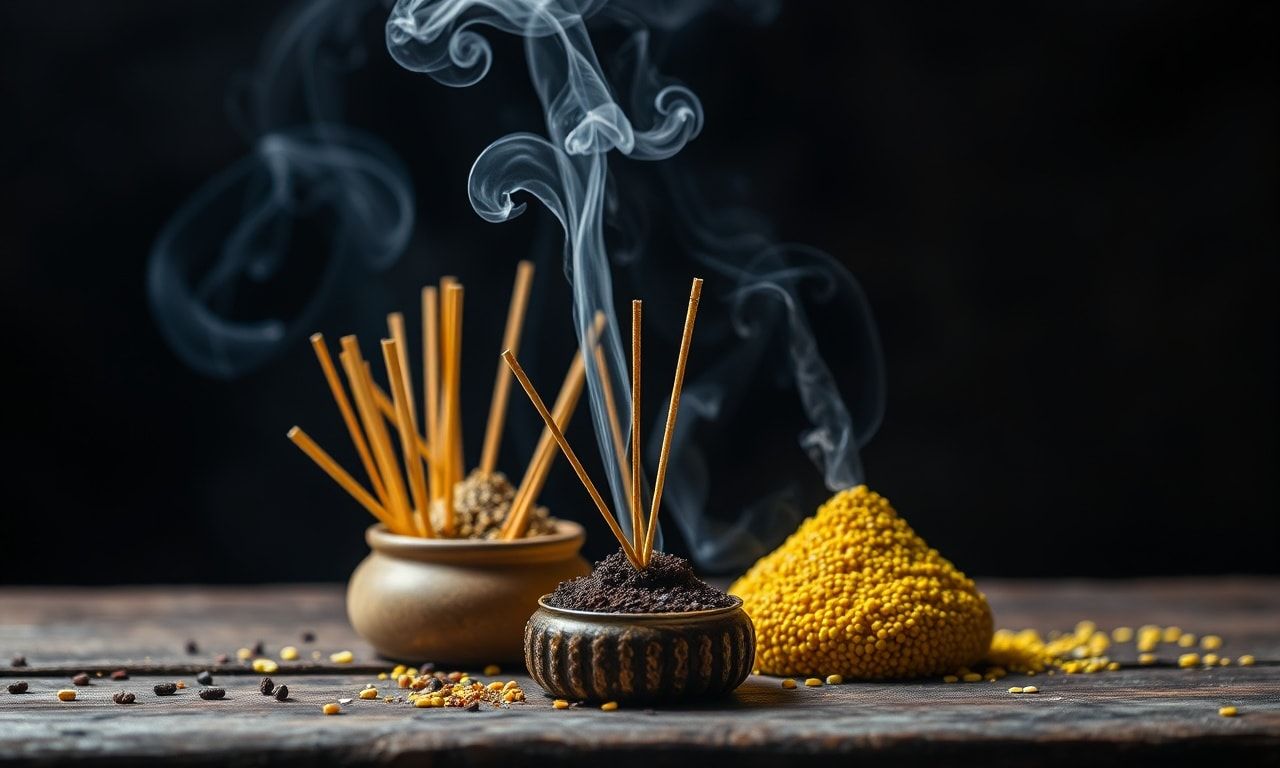
Incense comes in various forms, each with its unique characteristics and uses. Some of the most popular types include:
- Stick Incense: These are the most common type, made from a bamboo stick coated with incense paste. They are easy to use and widely available.
- Cone Incense: Shaped like small cones, these are often used for their strong, long-lasting fragrance. They are popular in meditation and relaxation practices.
- Resin Incense: Derived from tree resins like frankincense and myrrh, these are burned on charcoal discs to release their aroma. They are often used in traditional rituals and ceremonies.
- Powder Incense: Made from a mixture of aromatic powders, these are typically burned on a heat-resistant surface. They are known for their intense fragrance and are commonly used in spiritual practices.
Health Benefits and Cultural Significance
The use of incense is not only limited to its pleasant aroma but also extends to its potential health benefits. Aromatherapy, a practice that uses natural plant extracts to enhance psychological and physical well-being, often incorporates incense. Studies suggest that certain types of incense can help reduce stress, improve mood, and even alleviate symptoms of anxiety and depression. Beyond its health benefits, incense holds deep cultural and spiritual significance in many societies. It is used in religious ceremonies, meditation, and as a symbol of purification and protection.
Where to Buy Incense
With the growing popularity of incense, there are numerous options available for consumers looking to purchase high-quality products. Online platforms have made it convenient to explore a wide range of incense varieties from the comfort of your home. For those seeking the best deals and a diverse selection, buhurdan satın almak için en iyi siteler güncel offers a comprehensive guide to the top websites where you can find premium incense products. Whether you are a seasoned incense enthusiast or a newcomer looking to explore the world of fragrances, these platforms provide a reliable source for all your incense needs.
The global incense trade continues to thrive, blending ancient traditions with modern consumer demands. As more people discover the benefits of incense, the market is poised for further growth and innovation. Whether used for spiritual, medicinal, or aesthetic purposes, incense remains a timeless and cherished commodity that transcends cultural boundaries.