The Rise of Superfoods in Modern Diets: A Closer Look at Chia Seeds
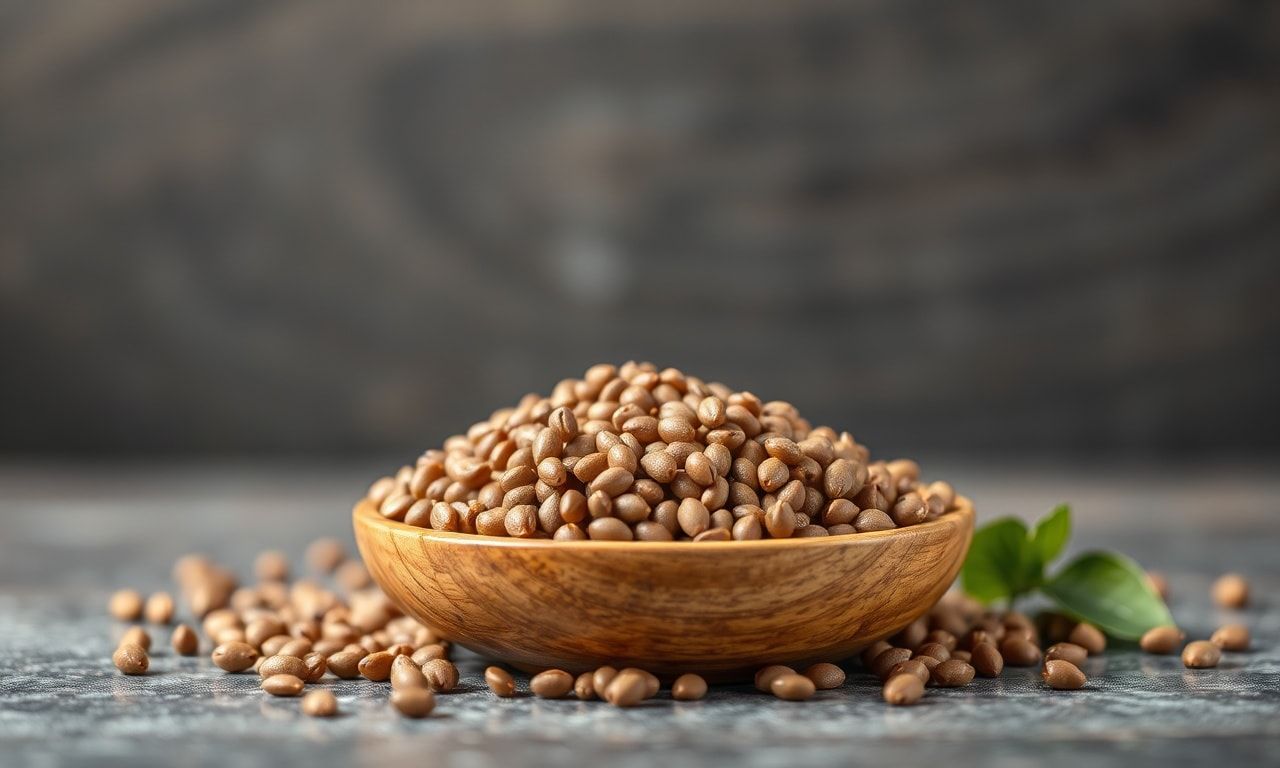
The global food industry has witnessed a significant shift towards health-conscious eating, with superfoods taking center stage. Among these nutritional powerhouses, chia seeds have emerged as a popular choice for health enthusiasts and nutritionists alike. This article delves into the rise of chia seeds, their health benefits, and their versatile applications in modern diets.
The Chia Seed Revolution
Chia seeds, derived from the Salvia hispanica plant, have been cultivated for centuries, particularly in Mexico and Central America. Historically, they were a staple in the diets of Aztec and Mayan civilizations. However, it was not until the early 21st century that chia seeds gained widespread popularity in the Western world. This resurgence can be attributed to the growing awareness of their nutritional benefits and the increasing demand for plant-based, nutrient-dense foods.
The market for chia seeds has seen a substantial boom, with global production reaching over 250,000 metric tons annually. This surge is driven by the health food industry, which continues to innovate with chia seeds as a key ingredient in various products, from smoothies to energy bars.
Nutritional Benefits of Chia Seeds
Chia seeds are renowned for their impressive nutritional profile. They are an excellent source of omega-3 fatty acids, fiber, protein, and various essential minerals such as calcium, magnesium, and iron. A single ounce of chia seeds contains approximately 138 calories, 4 grams of protein, 9 grams of fat, and 12 grams of carbohydrate, including 10 grams of fiber.
One of the standout features of chia seeds is their high fiber content. Fiber is crucial for digestive health, and chia seeds can help regulate bowel movements and promote a healthy gut microbiome. Additionally, the omega-3 fatty acids in chia seeds are known for their anti-inflammatory properties, which can contribute to heart health and reduce the risk of chronic diseases.
Versatile Applications in Modern Diets
Chia seeds are incredibly versatile and can be incorporated into a wide range of dishes. They are often used as a thickening agent in smoothies, puddings, and baked goods. Chia seeds can also be sprouted and used as a topping for salads, yogurt, and oatmeal. Their mild, nutty flavor makes them a versatile ingredient in both sweet and savory recipes.
Beyond their culinary uses, chia seeds are also gaining traction in the beauty industry. Their high content of antioxidants and essential fatty acids makes them beneficial for skin health. Many skincare products now include chia seeds as a key ingredient, highlighting their potential benefits for maintaining youthful and radiant skin. For those interested in exploring the benefits of chia seeds for skin, chia seeds for skin can be a valuable resource.
The Environmental Impact of Chia Seed Production
While the health benefits of chia seeds are well-documented, it is also important to consider their environmental impact. Chia seed production requires significant water resources, which can be a concern in regions facing water scarcity. Additionally, the demand for chia seeds has led to increased agricultural activity, which can have implications for biodiversity and soil health.
To mitigate these environmental concerns, sustainable farming practices are being promoted. These include water-efficient irrigation techniques, crop rotation, and the use of organic farming methods. By adopting these practices, the chia seed industry can continue to thrive while minimizing its ecological footprint.
Future Trends and Innovations
The future of chia seeds looks promising, with ongoing research and development aimed at unlocking their full potential. Scientists are exploring new ways to incorporate chia seeds into functional foods and beverages, as well as investigating their potential therapeutic applications. For instance, studies are being conducted to assess the role of chia seeds in managing diabetes, obesity, and inflammatory conditions.
Moreover, the chia seed market is expected to diversify with the introduction of new products such as chia seed oil, chia seed flour, and chia seed-based supplements. These innovations will cater to a broader range of consumer preferences and dietary needs, further solidifying chia seeds’ position in the superfood market.
Conclusion
Chia seeds have undoubtedly become a staple in modern diets, thanks to their exceptional nutritional benefits and versatility. As the demand for health-conscious and sustainable food options continues to grow, chia seeds are poised to remain a key player in the global food industry. By embracing sustainable farming practices and exploring new applications, the chia seed market can continue to thrive while contributing to a healthier and more sustainable future.
In light of recent discussions on economic stability, our latest feature, managing wealth holistically, offers a unique perspective on integrating health and finance.
In the midst of current trends, our latest feature, fashion meets wellness guide, offers a unique perspective on the evolving relationship between style and self-care.
Amidst the constant stream of current events, it’s essential to unwind with quality entertainment; our comprehensive guide to entertainment offers a well-rounded break from the news cycle.
In the rapidly evolving landscape of current events, a new article explores technology’s surprising health impacts and the unexpected connections between the two fields.
In the latest trend blending style and health, explore how fashion meets wellness in our newest feature.