Urban Centers Face Increasing Climate Challenges
The world’s major cities are grappling with the realities of climate change, implementing innovative solutions to mitigate its effects while facing significant challenges. From rising sea levels to extreme weather events, urban centers are at the forefront of adapting to a changing climate. This article explores the efforts and obstacles faced by cities worldwide in their quest to become more resilient.
Innovative Solutions in Urban Planning
Cities are adopting a range of innovative strategies to combat climate change. In Copenhagen, Denmark, the goal is to become the world’s first carbon-neutral capital by 2025. The city is investing heavily in renewable energy, green transportation, and energy-efficient buildings. Similarly, Singapore has implemented extensive green roof policies and is developing floating solar panel farms to harness renewable energy.
In the United States, New York City is taking bold steps to address climate change. The city has launched the New York transport schedule update to improve public transportation efficiency and reduce carbon emissions. Additionally, the city is investing in coastal defenses to protect against rising sea levels and storm surges.
Transportation and Infrastructure
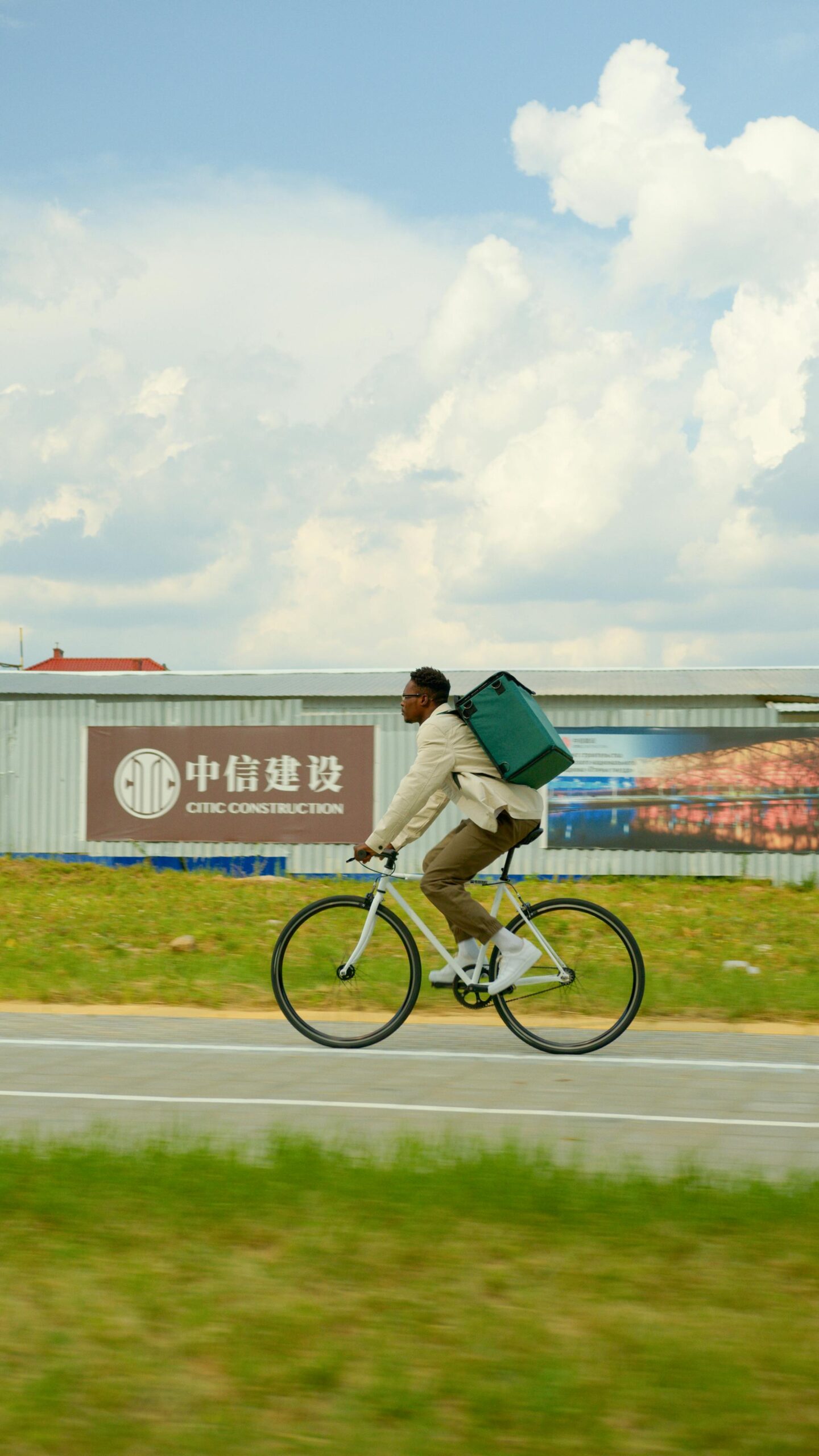
Transportation is a critical area where cities are making significant strides. Many urban centers are expanding public transit systems, promoting cycling, and creating pedestrian-friendly zones. For instance, Paris has introduced a 15-minute city concept, aiming to make essential services accessible within a 15-minute walk or bike ride. This approach not only reduces carbon emissions but also enhances the quality of life for residents.
In addition to public transportation, cities are exploring electric vehicles (EVs) and charging infrastructure. Oslo, Norway, has one of the highest rates of EV adoption globally, supported by extensive charging stations and incentives for EV purchases. These initiatives are part of a broader trend towards sustainable urban mobility.
Challenges and Obstacles
Despite these efforts, cities face numerous challenges in their quest to adapt to climate change. One major obstacle is the high cost of implementing sustainable infrastructure. Many cities lack the financial resources to fund large-scale projects, leading to delays and incomplete solutions. Additionally, political and regulatory hurdles can slow down the adoption of new policies and technologies.
Another challenge is the need for public engagement and behavior change. Encouraging residents to adopt sustainable practices, such as using public transportation or reducing energy consumption, requires ongoing education and incentives. Cities must also address issues of equity and social justice, ensuring that climate adaptation efforts do not disproportionately affect vulnerable populations.
Looking Ahead
As cities continue to adapt to climate change, collaboration and knowledge-sharing will be crucial. International organizations, such as the C40 Cities Climate Leadership Group, facilitate cooperation among cities to share best practices and innovative solutions. By working together, urban centers can accelerate their efforts to become more resilient and sustainable.
The road ahead is challenging, but the innovations and initiatives being implemented by cities around the world offer hope. Through continued investment, policy support, and public engagement, urban centers can lead the way in addressing the pressing issue of climate change.