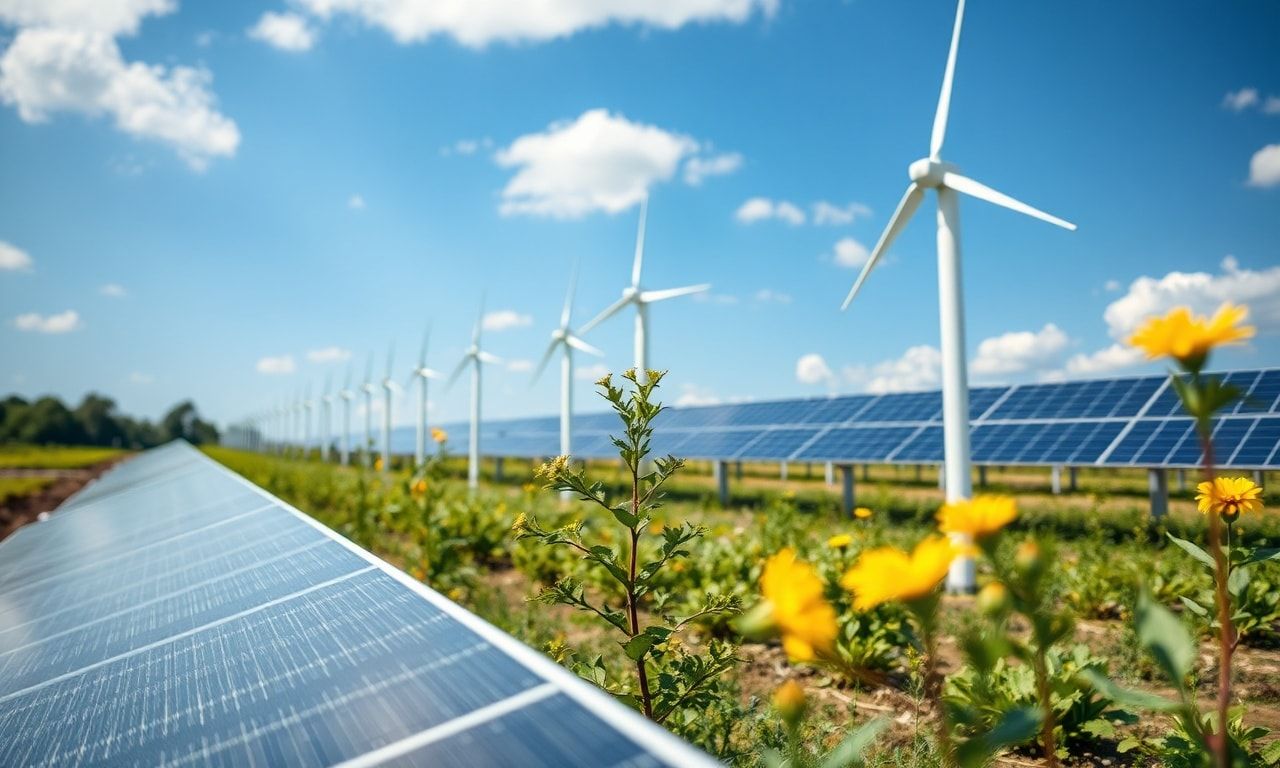
The Rise of Solar Energy in the Global Energy Mix
The world is witnessing a significant shift towards renewable energy sources, with solar power emerging as a leading contender. As countries strive to meet their climate goals and reduce carbon emissions, solar energy has become a cornerstone of the global energy transition. This article explores the latest developments in solar power, its benefits, and the challenges that lie ahead.
The Current State of Solar Power
Solar power has experienced remarkable growth over the past decade. According to the International Energy Agency (IEA), solar photovoltaic (PV) capacity has increased by an average of 24% per year since 2010. In 2020, solar energy accounted for nearly 3% of global electricity generation, a figure that is expected to rise significantly in the coming years. The decline in the cost of solar panels, coupled with advancements in technology, has made solar power more accessible and affordable for both residential and commercial use.
One of the key drivers of this growth is the increasing awareness of the environmental benefits of solar energy. Solar power generates electricity without emitting greenhouse gases, making it a clean and sustainable energy source. As countries around the world commit to reducing their carbon footprints, solar energy is playing a crucial role in achieving these goals. For instance, the European Union aims to source at least 32% of its energy from renewable sources by 2030, with solar power expected to contribute significantly to this target.
Innovations in Solar Technology
The solar industry is continuously evolving, with innovations that are making solar power more efficient and versatile. One notable advancement is the development of bifacial solar panels, which can capture sunlight from both sides, increasing their energy output by up to 20%. Additionally, perovskite solar cells, a new type of solar technology, have shown great promise in terms of efficiency and cost-effectiveness. These cells can potentially achieve higher efficiency rates than traditional silicon-based solar cells, making them a game-changer in the solar power sector.
Another exciting development is the integration of solar power with energy storage systems. Battery storage technologies, such as lithium-ion batteries, allow excess solar energy to be stored and used during periods of low sunlight or high demand. This integration enhances the reliability and stability of solar power, making it a more viable option for grid operators and energy providers. Companies like Tesla and Sonnen are at the forefront of this innovation, offering home and commercial energy storage solutions that complement solar installations.
The Economic and Environmental Benefits of Solar Power
The economic benefits of solar power are substantial. As the cost of solar panels continues to decline, the return on investment for solar installations has improved significantly. Homeowners and businesses can save money on their electricity bills by generating their own power, while also benefiting from government incentives and tax credits. For example, in the United States, the federal solar tax credit allows homeowners to deduct 26% of the cost of installing a solar energy system from their federal taxes.
The environmental benefits of solar power are equally impressive. By reducing reliance on fossil fuels, solar energy helps to decrease air pollution and mitigate climate change. According to a report by the National Renewable Energy Laboratory (NREL), solar power can reduce greenhouse gas emissions by up to 96% compared to coal-fired power plants. This significant reduction in emissions contributes to cleaner air and a healthier environment, benefiting both current and future generations.
Challenges and Considerations
Despite the numerous advantages of solar power, there are challenges that need to be addressed. One of the main challenges is the intermittency of solar energy, which is dependent on weather conditions and daylight hours. To overcome this, advancements in energy storage and grid management are essential. Additionally, the initial cost of installing solar panels, although decreasing, can still be a barrier for some homeowners and businesses. However, with the help of financing options and government incentives, this barrier can be mitigated.
Another consideration is the environmental impact of solar panel manufacturing and disposal. While solar power is clean and sustainable, the production of solar panels involves the use of certain materials and chemicals that can have environmental consequences. To address this, the industry is focusing on developing more sustainable manufacturing processes and recycling programs for solar panels. For more detailed information on solar energy, you can visit güneş enerjisi hakkında bilgi.
The Future of Solar Power
The future of solar power looks bright, with continued advancements in technology and increasing global adoption. As countries worldwide commit to achieving net-zero emissions, solar energy will play a pivotal role in the transition to a sustainable energy future. The IEA projects that solar power could become the largest source of electricity by 2050, surpassing fossil fuels and other renewable sources.
Innovations in solar technology, such as floating solar farms and solar-powered desalination plants, are expanding the potential applications of solar energy. Floating solar farms, for example, can be installed on bodies of water, reducing land use and improving energy efficiency. Solar-powered desalination plants can provide clean water in regions facing water scarcity, addressing both energy and water security challenges.
Global Initiatives and Policies
Governments and international organizations are implementing policies and initiatives to promote the adoption of solar power. The Paris Agreement, for instance, has set ambitious targets for reducing greenhouse gas emissions, with many countries pledging to increase their renewable energy capacity. The European Green Deal aims to make the EU climate-neutral by 2050, with solar power playing a key role in achieving this goal. Similarly, the United States has set a target of achieving 100% clean energy by 2035, with solar power being a major contributor.
In conclusion, solar power is at the forefront of the global energy transition, offering numerous economic and environmental benefits. While challenges remain, ongoing innovations and supportive policies are paving the way for a sustainable energy future. As the world continues to embrace solar power, we can expect to see significant advancements in technology, increased adoption, and a cleaner, greener planet.