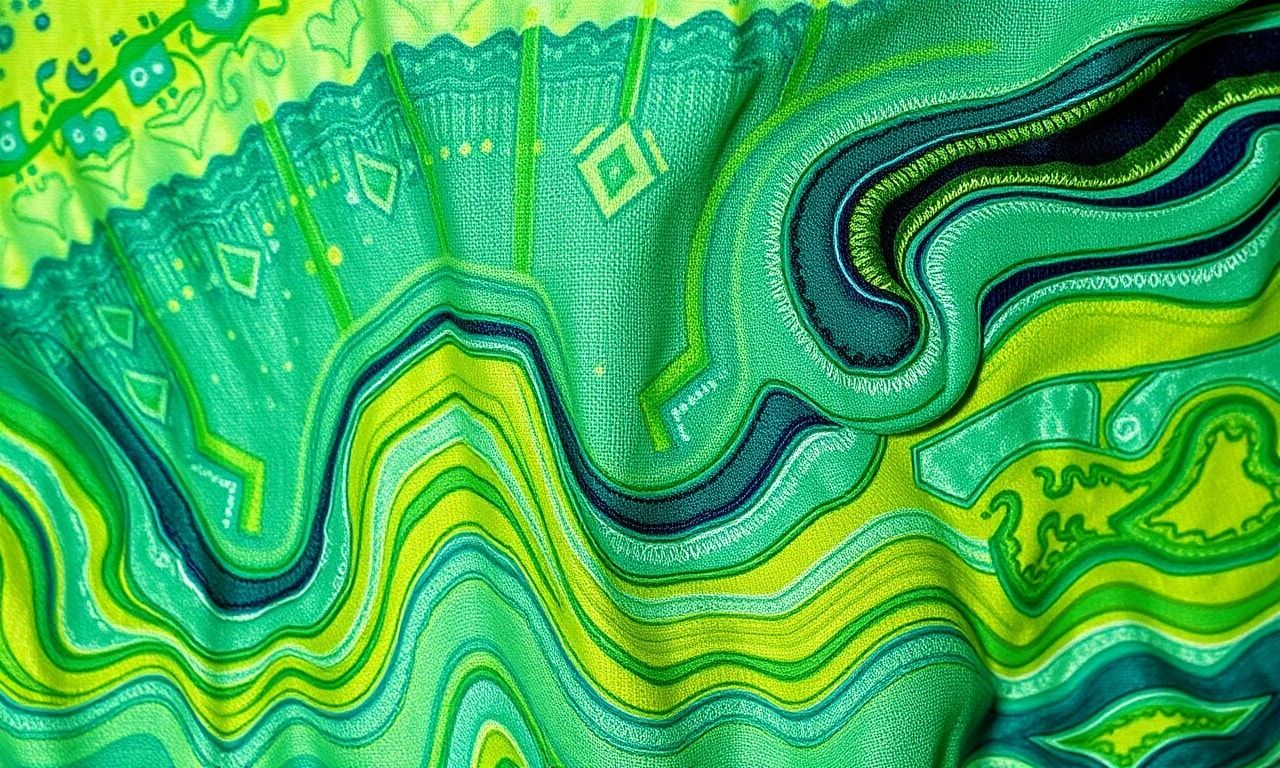
The Timeless Craft of Fabric Dyeing
The art of fabric dyeing is a practice that has been woven into the tapestry of human history for centuries. From ancient civilizations to modern-day fashion houses, the process of infusing color into textiles has been a vital part of cultural expression and economic development. Today, this traditional craft is experiencing a resurgence, as both artisans and consumers seek to blend the old with the new, creating a unique fusion of heritage and innovation.
In the past, fabric dyeing was a labor-intensive process that relied on natural dyes derived from plants, minerals, and even insects. These natural dyes were not only beautiful but also had symbolic meanings, often representing social status, religious beliefs, and regional identities. However, with the advent of synthetic dyes in the 19th century, the industry underwent a significant transformation. Synthetic dyes were cheaper, more vibrant, and easier to produce, leading to a decline in the use of natural dyes.
The Revival of Natural Dyes
In recent years, there has been a growing interest in natural dyes, driven by a desire for sustainability and a return to traditional methods. Consumers are increasingly aware of the environmental impact of synthetic dyes, which can be harmful to both workers and the ecosystem. As a result, many artisans and designers are turning back to natural dyes, seeking to preserve this ancient craft while also meeting the demands of the modern market.
One of the key factors in the revival of natural dyes is the emphasis on ethical and sustainable practices. Consumers are willing to pay a premium for products that are not only beautiful but also environmentally friendly. This has led to a resurgence in the use of natural dyes, as well as a renewed appreciation for the skill and craftsmanship involved in the dyeing process.
The Role of Technology in Modern Fabric Dyeing
While the revival of natural dyes is a significant trend, technology also plays a crucial role in the modern fabric dyeing industry. Advances in technology have made it possible to produce high-quality dyes that are both vibrant and sustainable. For example, digital printing technology allows for precise control over the dyeing process, resulting in intricate patterns and designs that were previously impossible to achieve.
Additionally, the use of artificial intelligence and machine learning is transforming the way dyes are formulated and applied. These technologies enable manufacturers to create custom dyes that meet specific customer requirements, while also reducing waste and improving efficiency. As a result, the fabric dyeing industry is becoming more innovative and dynamic, blending traditional techniques with cutting-edge technology.
The Cultural Significance of Fabric Dyeing
Fabric dyeing is not just a technical process; it is also a deeply cultural one. In many societies, the colors and patterns used in fabric dyeing have symbolic meanings that reflect the values and beliefs of the community. For example, in some cultures, certain colors are associated with specific rituals or ceremonies, while in others, the patterns used in fabric dyeing can tell a story or convey a message.
As the world becomes increasingly globalized, there is a growing recognition of the importance of preserving these cultural traditions. Many artisans and designers are working to document and preserve the techniques and knowledge associated with fabric dyeing, ensuring that this rich cultural heritage is not lost. This effort is not only important for the preservation of cultural identity but also for the promotion of sustainable and ethical practices in the fashion industry.
Innovative Approaches to Fabric Dyeing
In addition to the revival of natural dyes and the integration of technology, there are also innovative approaches to fabric dyeing that are gaining popularity. For example, some designers are experimenting with new techniques such as eco-printing, which involves using leaves and other natural materials to create unique patterns on fabric. Others are exploring the use of biodegradable dyes, which are designed to break down naturally over time, reducing the environmental impact of the dyeing process.
Another innovative approach is the use of upcycled materials in fabric dyeing. By repurposing old fabrics and textiles, designers are able to create new products that are not only beautiful but also sustainable. This approach not only reduces waste but also promotes a circular economy, where resources are used efficiently and effectively.
For those interested in exploring the art of fabric dyeing, there are numerous resources available online. Websites such as kumaş boyama işleri için en iyi yönergeler offer comprehensive guides and tutorials on the best practices for fabric dyeing, providing valuable insights for both beginners and experienced artisans.
The Future of Fabric Dyeing
The future of fabric dyeing is bright, with a growing emphasis on sustainability, innovation, and cultural preservation. As consumers become more aware of the environmental and social impact of their purchasing decisions, there is a increasing demand for products that are not only beautiful but also ethically and sustainably produced. This trend is driving the fabric dyeing industry to adopt new practices and technologies that are both innovative and responsible.
Moreover, the integration of technology and traditional techniques is creating new opportunities for artisans and designers to express their creativity and showcase their skills. By blending the old with the new, the fabric dyeing industry is not only preserving its rich heritage but also paving the way for a more sustainable and innovative future.
In conclusion, the art of fabric dyeing is a timeless craft that continues to evolve and adapt to the changing needs and preferences of consumers. Whether through the revival of natural dyes, the integration of technology, or the exploration of innovative techniques, the fabric dyeing industry is a dynamic and vibrant field that offers endless possibilities for creativity and expression.
In the realm of industry evolution, a new piece explores how the textile sector is blending age-old practices with cutting-edge technology in tradition meets digital transformation.
In the realm of industrial advancements, the textile sector’s green innovations are making headlines this year.
In the midst of global fashion trends and sustainable practices, textile dyeing techniques explained offers an in-depth look at the processes shaping the industry.